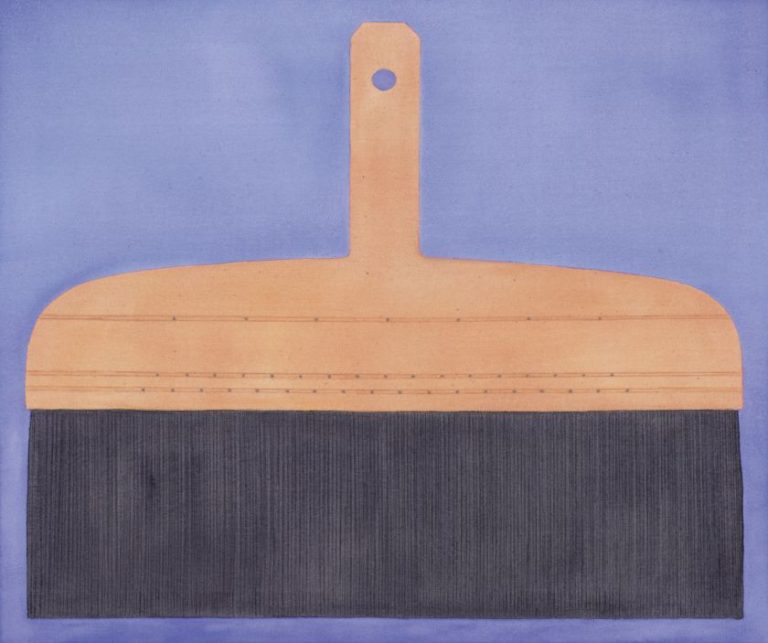
Meet the French illustrator inspired by social solitude and anemoia – nostalgia for a time you’ve never experienced.
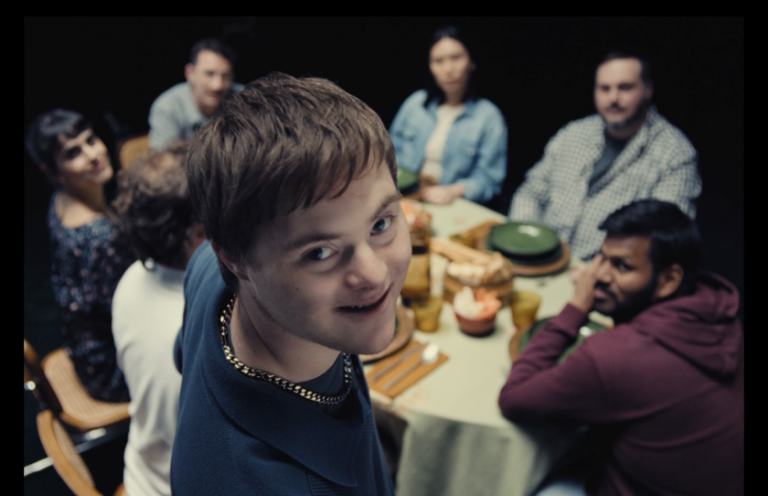
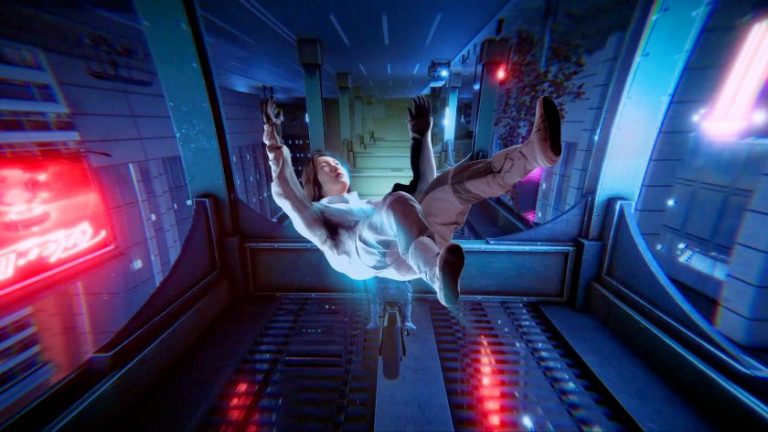
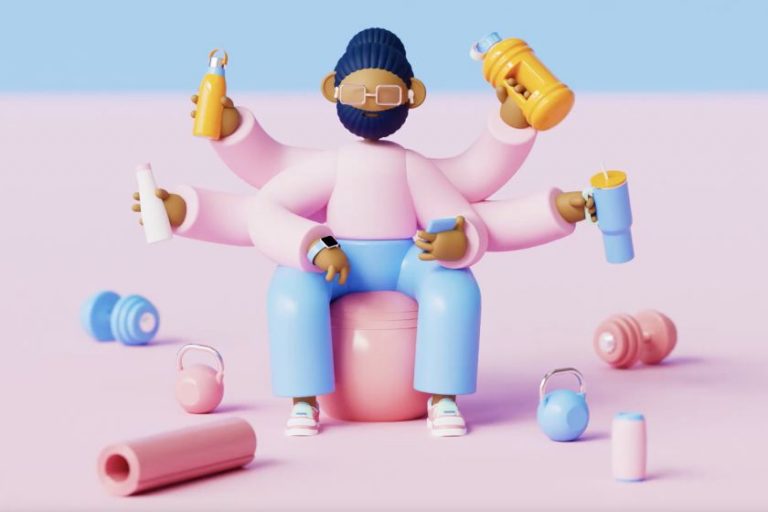
Surreal yet serene. Fresh yet timeless. Stylish yet outlandish. Lonely yet contented. Perhaps it’s the tensions in Franki Domino’s illustrations that serve as the starting point for the narratives he aims to create. They’re certainly starting conversations, as is his image-making technique.
Although you might not know it, Franki uses artificial intelligence models to create his artworks. This might make some fellow illustrators wince, but keep reading, and have a look at the work. His approach is so painstaking, refined and well thought out that the work cannot be dismissed.
“I am the alter ego of Julien Pacaud, a digital collage artist,” says Franki. “I spent two decades creating art from pre-existing materials, specifically vintage photographs, before I began integrating AI in 2021. I created the Franki Domino identity in 2023 when I felt ready to produce fully AI-generated artworks, separate from my established collage practice.”
Based in Paris, Franki collaborates with his Julien persona, who originally trained in film, his first love. Together, they’ve made Cult Zero – an abstract short that sees the circular form of the Earth become a metaphor for everything and nothing. It is poetic, profound, unnerving, and confusing, with an experimental aesthetic unlike the generic AI-based artwork out there.
“AI is capable of much more than people think in terms of stylistic exploration, but unlocking that potential takes a lot of time and trial and error,” explains Franki. “I spend a significant amount of energy trying to bend the AI outputs, steering them away from the standard biases or the specific AI look that the models naturally produce. It is similar to my background in digital collage, where I always searched for an ambiguous space between collage and photography.”
Franki’s primary tool is Midjourney for its stylistic range, and he uses Nano Banana and Flux when he needs something specific. As he gains proficiency, he’s adding select pieces to his portfolio, picking up commercial commissions, and is now represented by the agency Colagene. One of his recent commissions was a poster for the music festival Les Siestes Teriaki.
Whether working in the commercial world or creating fine art, there’s an understandable need for an artist to develop a recognisable style with original, individual characteristics to set it apart. However, he doesn’t believe in visual rules and says that any coherence we detect is down to the unconscious choices he makes as he grows the Franki Domino universe.
“My inspiration is what I call a ‘magma’, a mixture of everything I have seen, read, heard or experienced since I have been alive – art, films, books and music. This mental archive guides my choices mostly unconsciously. Because of my background, I am strongly influenced by cinema and fiction. I don’t look for specific trends; instead, I rely on instinct to take the first steps,” he says.
Alongside this sum of sounds, visuals, sensations and feelings, generative AI represents a machine that an artist can use to create all possible images. In Franki’s biography on his agent’s website, it says that “…he envisions his work as a collaboration, with the machine serving to enable the realisation of a personal vision imbued with a distinctly human sensitivity.”
This is a far cry from the AI imagery we encounter day in and day out, and that’s precisely why Franki Domino’s feels like the start of a new narrative for the technology.