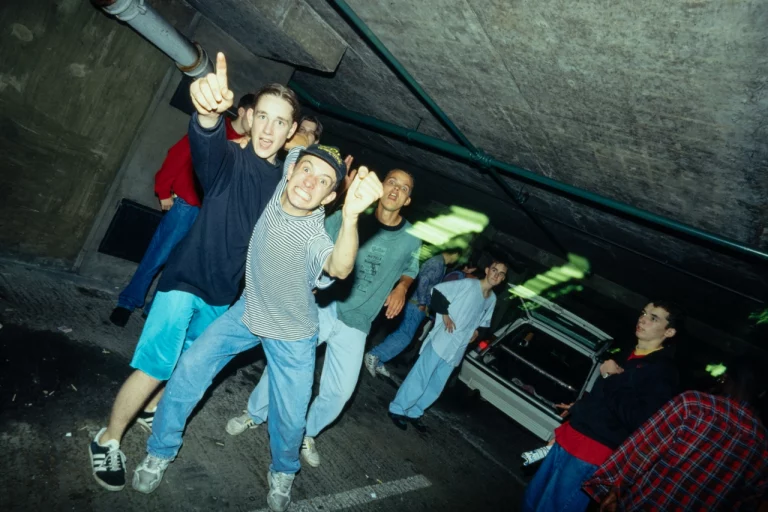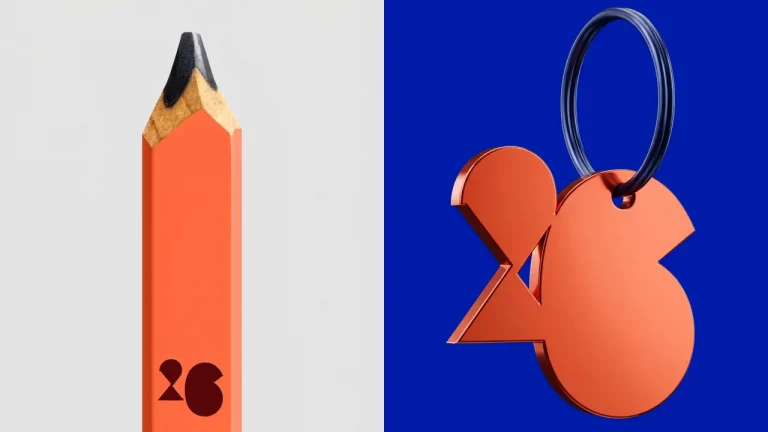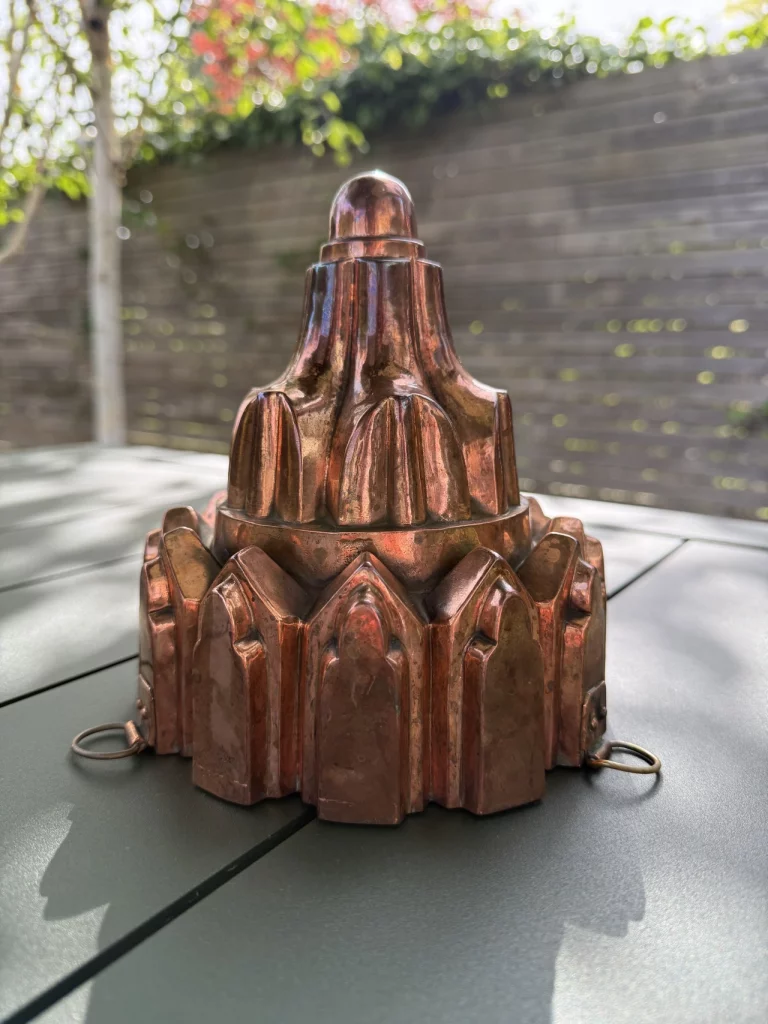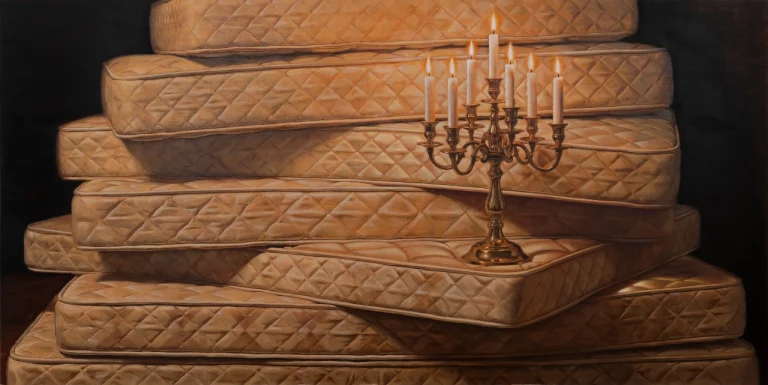
Built by Monotype, lingerie brand Chantelle Pulp’s new logo is a shape-shifting identity.
Variable fonts have been technically possible for years. Designers have marvelled at the control, the file size benefits, and the interpolation capabilities. But most applications have been practical rather than conceptual: responsive type that adapts to screen sizes, efficient web fonts that serve multiple weights from one file. Chantelle Pulp’s collaboration with Monotype represents something different: a variable logotype created not for technical efficiency but as a literal embodiment of brand values.
It’s type-as-metaphor made functional. And it surfaces a genuine design challenge: how do you build brand recognition when your identity is designed to never look the same twice?
First, some context. Chantelle Pulp is the disruptive sub-brand of Chantelle, a French lingerie company with decades of heritage in elegance and classical design. Where the parent brand speaks to timelessness, Pulp was conceived as what global chief creative officer Renaud Cambuzat calls “the evil child”: playful, boundary-pushing, deliberately dissimilar to traditional lingerie marketing. The brand’s core proposition is radical inclusivity: sizes from A to H cups, bright colours, varied designs, all aimed at celebrating, not constraining, body diversity.
This presented Monotype with a specific brief: create a logotype that visually represents fluidity and inclusivity. The solution is a custom variable typeface with two axes and three masters per axis, allowing the letterforms to morph through different weights, widths and contours. Each variation maintains legibility while offering different visual personalities. Variable font technology allows infinite interpolation between set parameters. The pairing with Helvetica Now as the brand font grounds the variable logotype in something familiar.
But the more interesting question isn’t how they built it; it’s what they do with it. Because Chantelle Pulp now faces a problem that most brands don’t: their identity is designed for constant reinvention, but they’re still establishing what that identity actually is.
Differentiation requires change
Natalia Kotkowska, Head of Design at Monotype, acknowledges this tension directly. Currently, the logotype is used primarily in static form to build brand recognition and awareness. Despite having a tool designed for infinite variation, they’re deliberately constraining it. “We haven’t really played with it yet, but we know we can, and we will for sure,” says Renaud. Natalia adds that the flexibility will eventually allow for “a mini-visual identity for each season.”
Chantelle/Monotype, Chantelle Pulp, Copyright © Chantelle, 2025
This reveals something fundamental about brand building: recognition requires repetition, but differentiation requires change. Chantelle Pulp needs people to remember them before they can appreciate variation. They need consistency before they can afford fluidity.
It’s the opposite of how most brand guidelines work. Typically, you lock everything down. Chantelle Pulp’s guidelines must somehow accommodate both rigidity and flexibility—parameters that enable endless variation while maintaining brand integrity.
Working in a dance
The development of the logo involved workshops and iterative refinement. The first draft needed adjustment, and multiple rounds of feedback followed. Creative type director Damien Collot describes working in “a dance” with the Chantelle team to align design with the brand’s essence: bold and playful, but not childish. Renaud wanted something that referenced both Pulp Fiction and the UK band Pulp, evoking counterculture and confidence.
What Monotype delivered is infrastructure for future creativity. The variable logotype isn’t a finished identity: it’s a system for generating identities. As Natalia puts it, “The logo has real potential to be explored and reimagined for many, many, many years.” That means endless creative possibilities, but also endless creative decisions.
Chantelle/Monotype, Chantelle Pulp, Copyright © Chantelle, 2025
Chantelle/Monotype, Chantelle Pulp, Copyright © Chantelle, 2025
There’s also the question of whether audiences care about logotype variation. Most brand differentiation happens through photography and colour. The logotype is typically the stable element. Chantelle Pulp is inverting that, making the logotype the variable element. Whether that registers with consumers remains to be seen.
Perhaps that’s not the point, though. Variable logotypes aren’t primarily about consumer perception; they’re about organisational alignment. They’re physical manifestations of brand values that shape internal decisions. Every time Chantelle Pulp’s team sees a logo that can adapt to any context, it reinforces that adaptability is central to who they are.
This makes the logotype a tool for maintaining brand coherence as the company grows. A variable identity system offers clear parameters that enable rather than restrict.
Test case
For designers working on identity systems, Chantelle Pulp offers a test case for when variable fonts make conceptual sense beyond technical benefits. The technology is available. The question is whether your brand’s core idea genuinely benefits from a shape-shifting mark.
Chantelle/Monotype, Chantelle Pulp, Copyright © Chantelle, 2025
Chantelle/Monotype, Chantelle Pulp, Copyright © Chantelle, 2025
Chantelle Pulp’s commitment to body diversity makes variability authentic. For brands without that conceptual foundation, a variable logotype might just make consistency harder.
The real measure of success will be whether Chantelle Pulp actually uses the tool they’ve commissioned. In three years, will campaigns showcase dramatically different logotype variations? Or will the variable system sit largely dormant? As Renaud says, “Our goal is to have fun with it; if you have fun with it, then ultimately customers can have fun with it too.” Whether variable identity systems can deliver on that promise—not just technically, but culturally and operationally—is what projects like this will help determine.