Rather than chasing editorial work and brand deals, Jacqueline has built a thriving business through markets, wholesale and products.
For many illustrators, the dream looks something like this: land an agent, secure regular editorial commissions, work with big-name brands, and watch the Instagram likes roll in. But what if you’re not landing those jobs? What if your inbox stays stubbornly quiet while everyone else seems to be announcing their latest collaboration with Nike or The New Yorker?
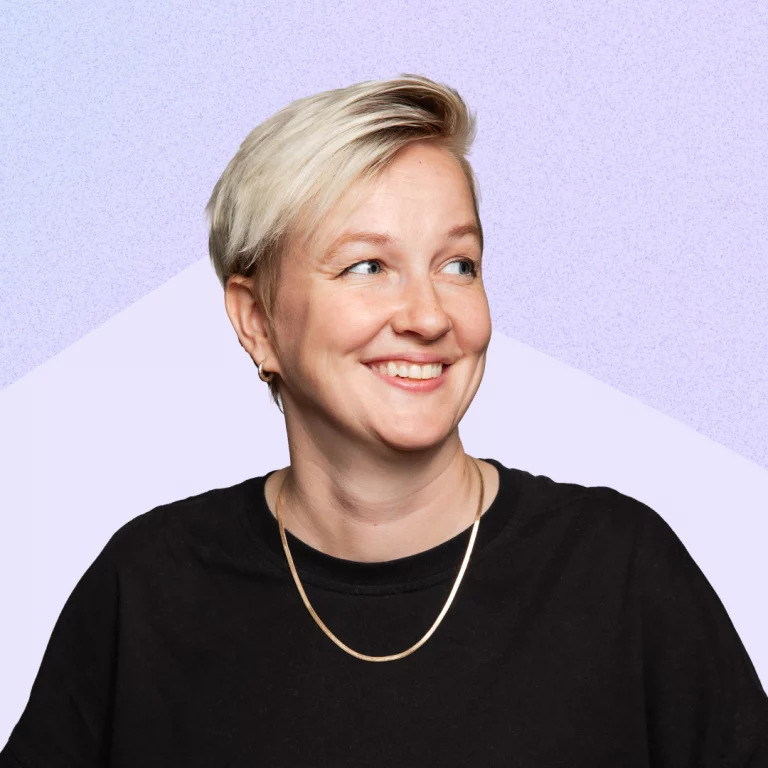
Jacqueline Colley
has spent 10 years proving there’s another way. The London-based illustrator, known for her maximalist, joyful artwork, has built a sustainable career that doesn’t rely on chasing commissions.
“I’ve made my living for a long time by creating illustrated products and selling them directly to people at market stalls or online, and also through wholesaling to small independent shops and galleries,” she explains. It’s a model that’s allowed her to reach a significant milestone. Last year, she hired someone to help pack orders twice a week, a luxury many freelancers only dream of.
From textile designer to market trader
Jacqueline admits, though, that her path has not always carefully plotted. Her career in illustration began while she was “slowly leaving” a career in fashion textile design. She started by freelancing part-time for old employers, while selling prints and products at market stalls on the side. “Soon I was doing markets once a month and selling a fair bit.”
The turning point came when she joined a programme run by her old university, UAL, that takes alumni to trade shows. “It was there that I got my first wholesale orders for cards and tea towels, and Swoon Editions ordered one of my fabric designs to upholster a midcentury chair for their range. I began to realise I could make a living designing and selling things I love, rather than working in-house for a brand.”
Her approach evolved gradually. She learned what sold and what didn’t. She experimented with new media such as Risograph and silk-screen printing. And she learned that working with small independent shops was a natural fit. “I did pursue big brands like Anthropologie, but realised that led to a lot of admin work, whereas indie shops are small businesses like mine. It’s very human; trading in tangible and tactile goods.”
A maximalist approach to process
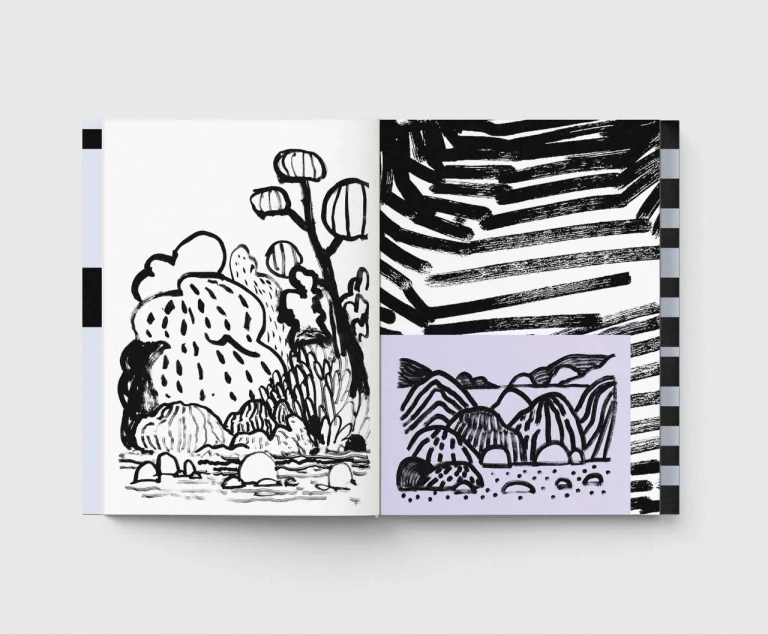
Jacqueline describes her style as “feminine, maximalist and nostalgic”. As a child of the 1980s, her work carries what she calls “borrowed nostalgia” for American pop culture. “The suburbs of Edward Scissorhands or the streets of NYC in Ghostbusters were familiar to me, and my work is often its happiest when those pop culture references are pulled from the screen and drawn into my illustrations.”
Her process is methodical. “I’m all about layers of process, and there’s no skipping a layer, as then I won’t be happy with the outcome,” she explains. She starts with pencil thumbnails, works up to larger sketches, then uses a lightbox with Caran d’ache colouring pencils and Tombow felt tips to add colour. “I then scan in this coloured drawing and depending on the outcome, I work on the computer.”
For digital printing, she often compiles hand drawings in Photoshop to maintain that handmade quality. For spot colour work like Risograph or silk screen, she redraws everything digitally, creating separate colour layers. “I’m careful not to ‘overcorrect’ with the computer, which is so easy to do and risks erasing the charm of the hand-drawn,” she stresses.
The multiple income stream strategy
In 2026, what makes Jacqueline’s career work isn’t any single revenue source, but the combination of all of them. Her online shop and wholesale business form the backbone, but she also takes on commissions, teaches, and licenses designs.
The landscape isn’t without challenges. Her Etsy orders are down 25% compared to last year, which she attributes partly to AI-generated artwork flooding the market and partly to Trump’s tariffs affecting US customers. Brexit continues to impact European sales. But orders through Faire, a wholesale platform she joined in 2023, are up 74%, helping her find new stockists near and far.
“Ultimately, you just need to find a few income streams that work for you as an illustrator,” she says. “That might include teaching, designing gifs, editorial, or even a part-time job to take the stress down. If you keep watering those different pots, they will bloom and wilt at different times. But overall, they will tide you over and keep you creating, which is all we really want to be doing.”
It’s not over
At a time when many in the industry are declaring that “illustration is over” and worrying about AI replacing creative work, Jacqueline offers a different perspective. She lives in “the world of the tangible, sending people snail-mail packages with cute stickers on, filled with Risograph prints that have the tactile touch.”
And so her advice for building a sustainable career boils down to this. “I think there’s a place for everyone drilling down and finding your niche. Finding a way to turn your extracurricular hobbies into an outlet for your illustration is often the best way forward.”
“I think it’s about realising that most illustration work isn’t glitzy and glamorous,” she adds. “Like maybe your favourite climbing wall could do with a cool mural, and you should pitch that idea. It’s about pitching to your local community or showing up at a craft fair every month, and learning from the feedback of real clients who might not be art directors at cool magazines but know their audience and what they need.” Because at the end of the day, as Jacqueline puts it: “We’re designers solving problems with drawings.”
Whether you’re just starting out or 10 years in and still waiting for that big break, Jacqueline’s career offers a roadmap that doesn’t depend on anyone else giving you permission to succeed. Find what works for you, build multiple income streams, and keep making the work you love. The rest will follow.