Image licensed via Adobe Stock
Frontify’s new report, Rebranding Redefined, argues that successful rebrands depend on living systems rather than static assets. Here are the main points of the report, and how you can apply them to your own projects.
The rebrand brief lands on your desk. Typeface? Check. Colour palette? Sorted. Logo variations? Done. Job complete, right? Actually… not even close. If Frontify’s latest report tells us anything, it’s that this checklist approach to brand identity is dangerously outdated.
Titled ‘Rebranding Redefined’ and based on insights from a six-part webinar series featuring heavyweights such as Jones Knowles Ritchie, Buck, DIA, Pantone and Mozilla, the report argues that branding isn’t about perfecting static assets anymore. It’s about building living, breathing systems that actually evolve with culture and technology.
For creative professionals, this isn’t just theory. It’s a practical playbook for keeping your work relevant beyond the initial launch buzz.
1. Use type with personality
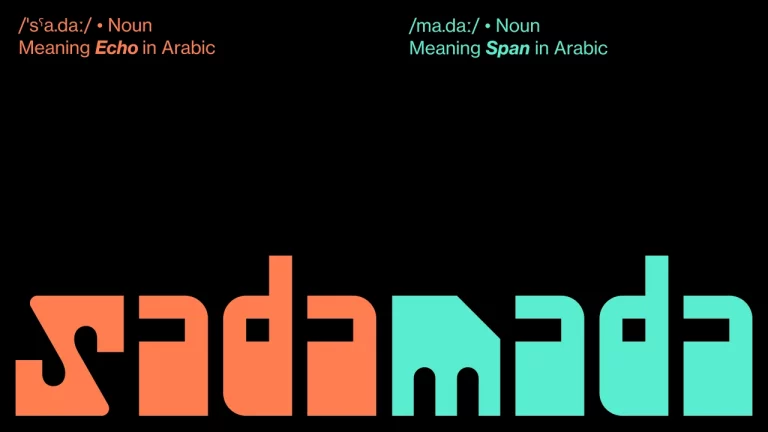
Phil Garnham, ECD at Monotype, and Katie Rominger, associate creative director at Studio Mega, want designers to think deeper. Their question isn’t “What looks good?” but “Why make it at all?” Rominger’s test is brilliantly simple: could this typeface belong to anyone else? The best ones couldn’t possibly work for a competitor.
Take Burger King’s 2021 rebrand. JKR didn’t just pick a retro font and call it heritage. They worked with Colophon Foundry to create Flame, a custom family of rounded shapes inspired by the brand’s actual food. Juicy typography for juicy burgers.
Then there’s Walmart, which traces its type back to founder Sam Walton’s 1980s trucker hat, transforming that Antique Olive font into something bolder for today’s omnichannel world.
The message? Typography’s emotional range is exploding. AI helps pair typefaces to campaign moods and audience contexts. But accessibility remains non-negotiable, and your type needs to live in motion; not just sit pretty in brand guidelines that nobody reads.
2. Make colour mean something
Millennial Pink had its moment. Gen Z Purple followed. But real colour strategy goes way deeper than trend-chasing. It’s about finding genuine synergy between a brand, its offering, and its people… then having the guts to do something different.
Benjamin Watkinson, creative director of GF Smith, is refreshingly blunt about this. “There are loads of brands that should take more risks. Every brand is different, yet we’re funnelled into this world where everything has to look the same.”
His company’s own rebrand with Templo proves the point. Nearing 150 years in business, the paper manufacturer ditched heritage clichés for vibrant, “gently radical” branding aimed at younger, environmentally conscious audiences. It’s a masterclass in using colour to signal evolution without losing your soul.
The lesson? Context is everything. What communicated sustainability or trustworthiness five years ago might feel tired now. Shifting cultural conversations demand fresh solutions. And sometimes being genuinely brave with colour—not just picking what feels safe—is the only way to stand out in a sea of sameness.
3. Give sound more respect
From Netflix’s “Tu-Dum” to Apple’s startup chime, sonic branding is finally getting serious attention. Yet most brands still treat sound as an afterthought.
Ilā Kamalagharan, co-founder of Maison Mercury Jones, puts it perfectly: “Music sits with us at a complex, deep, primal level. Tapping into it lets brands reach people in a completely new way.”
But here’s the thing: simply licensing popular tracks won’t cut it. It’s about understanding how your brand actually sounds, not just borrowing what’s trending. Bomo Piri, founder of Studio Hamida, insists visual and sonic brands must develop together: “The earlier you get those two working in tandem, the better.”
The best work proves it. Maison Mercury Jones built an entire sonic universe for luxury fashion brand ARK/8 around club culture and deep-house production; original tracks, artist collabs, live events, the works. For the Copenhagen Metro, Sonic Minds created a modular sonic environment that’s minimal and clean, but warm enough to make travel feel genuinely human.
The takeaway? Sound should amplify your brand values, not just hop on whatever’s hot. Build modular blocks that adapt across touchpoints and ensure your brand sounds as distinctive as it looks.
4. Understand that flexibility is no longer optional
With new technologies, trends and user patterns constantly emerging, designing brand elements that can change and adapt isn’t nice to have; it’s essential. The challenge is knowing what stays fixed and what needs room to breathe. Mozilla’s 2024 rebrand with JKR nails this perfectly. They introduced a framework that every creative team should steal: fixed, flex and free.
Fixed assets build recognition. Flex elements adapt to different channels and audiences. Free components let the brand evolve. Simple, right? But it works because it’s purposeful.
For Mozilla, every decision stemmed from one core value: accessibility. That focus lets them shift assets like iconography and photography as their audience matures, without losing what makes them recognisably Mozilla. As Amy Bebbington, global head of brand at Mozilla, reports: “We’re already seeing improvements in brand equity, purely because we use our distinctive assets more confidently across the portfolio.”
This acknowledges an obvious truth: each channel has its own language. If you’re too rigid, you simply won’t connect with the people you need to reach.
5. Include motion from day one
Perhaps the report’s most urgent message? Stop treating motion as decoration. As Simon Chong, creative director at Buck, says: “Motion has historically been tacked on at the end, once the system is already set.” That needs to flip. Motion should be as fundamental as colour and type. Mitch Paone, creative director at DIA, agrees. “Every brand exists in motion by default today,” he reasons. “So the conversation isn’t ‘Do we need motion?’ It’s ‘What kind of motion defines us?'”
DIA’s work for Lyon’s Nuits Sonores music festival shows what’s possible: particle-based typography that vibrates, scatters, and recombines like Music itself. Buck’s Nosy character for Notion’s AI assistant uses real-time interactive behaviours that respond to what users actually do.
The shift requires treating your guidelines like behavioural blueprints, not static manuals. And it means designing motion into systems from day one, not bolting it on later.
6. Listen and build cultural currency
Good brands respond to trends quickly. Great brands set them. But as Ana Andjelic, author of Hitmakers, explains, cultural relevance isn’t luck; it’s about listening to and building genuine ties with your community. As Barr Balamuth, founder of Parallel Play, explains: “Cultural currency tends to show up where there’s tension.” Find where you can challenge category norms, then turn that tension into repeatable moves.
Look at A24 expanding beyond indie films into owning NYC’s Cherry Lane Theater and launching A24 Music. Or The Row banning phones at fashion shows and proving exclusivity generates serious buzz. These aren’t one-off stunts; they’re committed cultural programmes.
Scale doesn’t matter, Andjelic insists. Nothing stops any business from curating carefully, collaborating meaningfully or building real community.
What this means for you
So what’s the big takeaway from this report? I’d say it’s this. Successful brand systems today function meaningfully, embody accessibility, flex naturally as trends shift, and provide structure that helps teams create with proper intent.
For creatives, that means rethinking your entire process. Start with motion, not static comps. Build flexibility from day one. Give sound the respect it deserves. Use colour to disrupt, not just decorate. Make typography work harder emotionally.
Most importantly? Recognise that your role isn’t just crafting beautiful assets. It’s building living systems that breathe, adapt and genuinely thrive. The brands brave enough to commit to this approach—listening to communities long-term and leading with values—will still be relevant in 2030. Will yours be among them?