The Brazilian-born, Tokyo-based digital artist blends 3D animation, collage and physical sculpture – and believes art exists to give people a little more joy than they started with.
Pedro Nekoi will tell you that his whole creative process takes two or three days. Or just one, if he drinks three coffees. This is a man who clearly enjoys what he does.
Pedro grew up in Paulista, in northeastern Brazil, before spending almost 12 years in São Paulo – working in advertising agencies and magazines, gaining experience in art direction while developing a personal practice on the side. Right before the pandemic, he left the corporate world to focus on freelancing. It was the right call. Since then, he has worked with clients including Adobe, Spotify and Anitta, held solo exhibitions in Tokyo and created large-scale murals. He has been based in Tokyo for the past 10 months, and the city, he says, has changed everything.
“Living in Tokyo has become a huge source of inspiration for me,” he explains, “because the city constantly balances futuristic aesthetics with nostalgic, retro charm. You can walk through an incredibly modern area and suddenly discover a tiny hidden kissaten or an old neon sign that feels frozen in time.” That collision of the hyper-contemporary pressing up against something preserved is exactly the kind of visual tension that feeds his work.
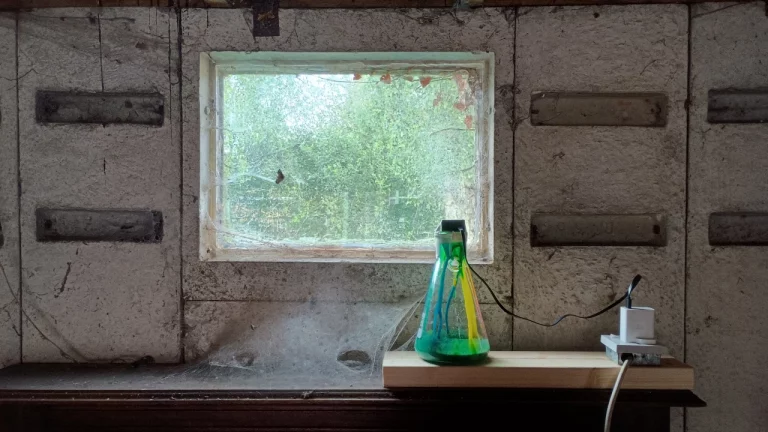
He photographs it obsessively, whether that’s unusual wall textures, vintage signs, faded colours or strange objects on the street. Maybe it’s a plastic traffic cone or a specific colour combination glimpsed on a walk. “Exploring those hidden visual gems has become one of my favourite activities in the city and one of the biggest influences on my work.”
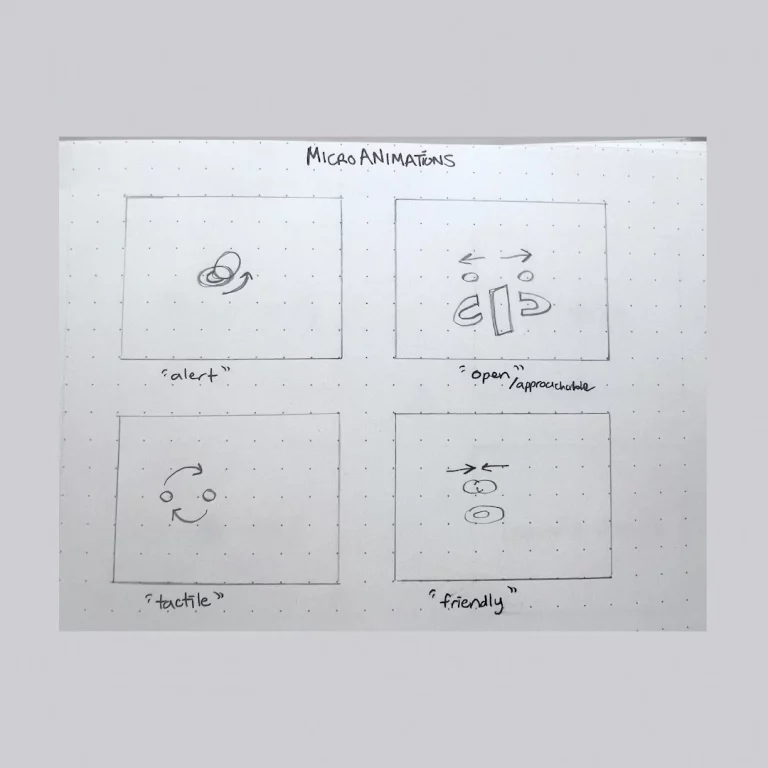
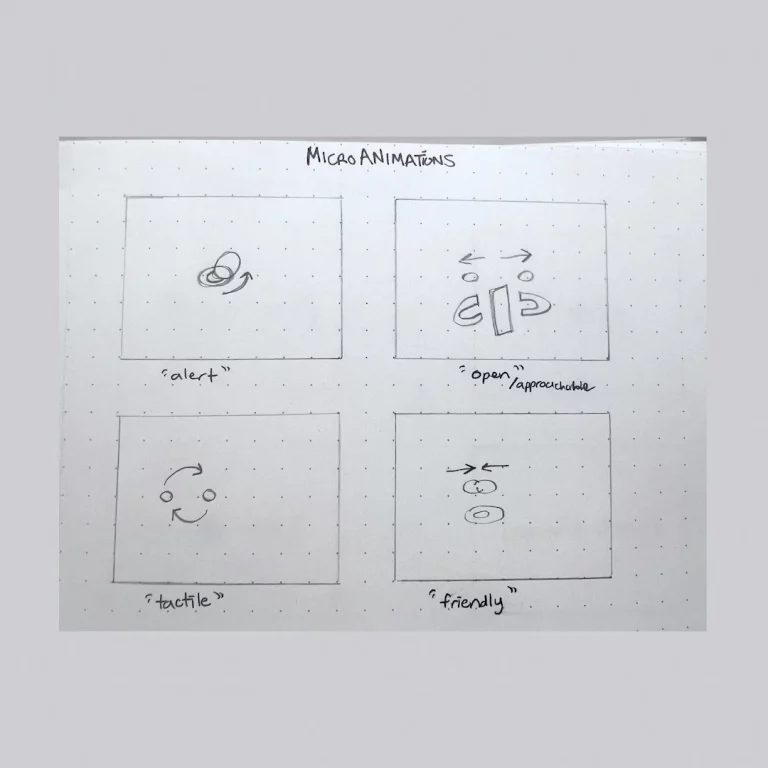
After capturing everything on his camera roll, the process from there is layered and purposefully messy. He draws on his iPad – “my sketches are usually very chaotic; honestly, I’m probably the only person who can fully understand them” – and thinks about composition and movement simultaneously, since animation is central to his work. He digs into his archive of vintage magazines for collage elements, then builds the 3D composition on screen, letting colour, texture and pattern develop intuitively once the structure is in place.
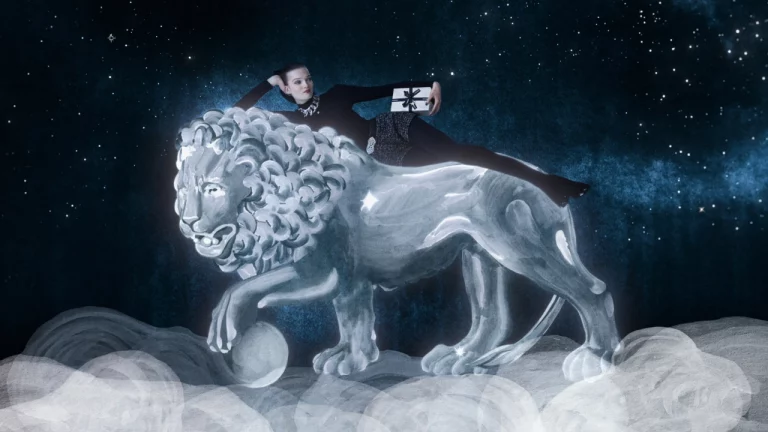
The result is imagery that is densely chromatic and slightly hallucinatory – surreal environments in which retro portraiture, bold geometric forms, tropical references, and digital space coexist without an obvious hierarchy.
What has shifted most recently is his relationship with the physical. For a long time, Pedro worked exclusively on screen, his output living entirely in digital space. His solo exhibition in Tokyo, Welcome to Nekoiland, changed that. For the show, he experimented with printing works on acrylic and with incorporating moving elements such as lights, mirrors, and elements drawn from his animations. “Seeing my digital language become something tangible felt incredibly exciting to me,” he says. The exhibition led directly to his next project: a series of six acrylic flower vases combining his surreal digital collages with functional, physical objects. “I loved the contrast between something digitally imagined and something that could exist in everyday life,” he says.
The ambition behind it all is simple. “There’s already so much heaviness in everyday life,” he says, “so I like the idea that art can momentarily transport people into a more surreal, colourful and imaginative world. If viewers can leave my work feeling a little more joyful and maybe even pass that feeling on to someone else, then I feel like the artwork has fulfilled its purpose.”
Adobe x Sundance, 2025