As it celebrates its half-century, the agency that named The Happy Egg Co., Nuii and Frubes shares the wisdom it’s acquired along the way.
Most UK businesses don’t make it to their fifth birthday; according to the ONS, fewer than four in 10 do. Getting to 50, to many, can seem like an impossible dream. So when a studio spends five decades successfully serving food and drink brands through recessions, retail revolutions and the rise of social media, it’s worth hearing what it has to say.
I’m talking here about Springetts, which today describes itself as a “brand life-stage agency”. Founded in 1976 by Rod Springetts, its list of clients reads like the contents of my kitchen cupboard right now: Weetabix, Walkers, Ryvita, Kettle Chips, McVitie’s, Nestlé Fab, Linda McCartney and Rubicon among them.
It’s also created a fair few brands of its own, coining Frubes, Frijj, The Happy Egg Co., Walkers Salt & Lineker and, more recently, the premium ice cream brand Nuii. (Anyone else feeling peckish yet?) And along the way, it’s picked up 24 Pentawards and 19 Design Effectiveness Awards.
After 50 years of this kind of success, you might expect the agency to be feeling pretty smug about itself. But rather than resting on its laurels, it’s marking its anniversary with a burst of fresh energy, relaunching with new positioning and a refreshed identity.
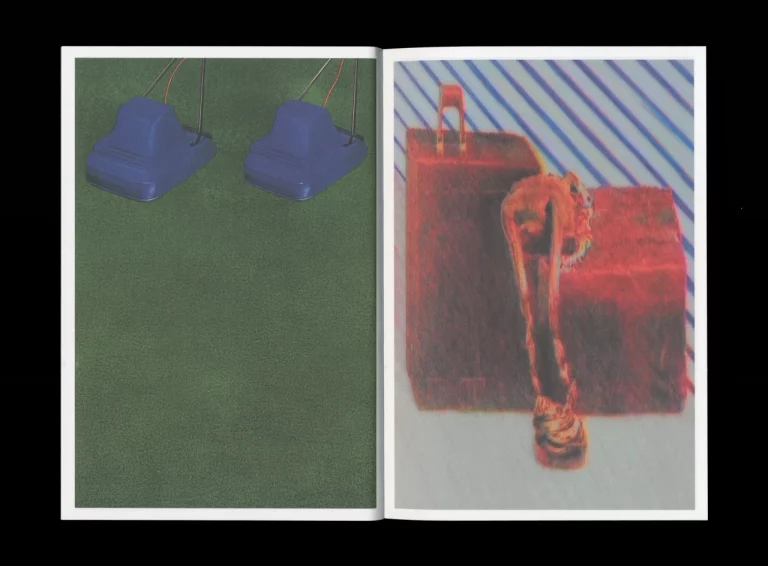
And here’s where Creative Boom readers can benefit directly: it’s also launched a field guide to help others learn from its success.
What you can learn
Titled How Brands Live Forever, the guide distils half a century of experience into a framework the agency calls Forever Brands. So what’s it all about, exactly?
The central idea of the guide is simple but often overlooked: design for longevity rather than novelty. That involves, according to the agency, a level of restraint.
As creatives, we of course are constantly chasing the new. But designing for ‘forever’ isn’t about that. Instead, it’s about tying fresh ideas to what’s already familiar and protecting what existing customers love.
It’s about going deeper into what a brand already has, rather than tearing it up every few years because someone fancies a change.
“A great brand story isn’t just told. It’s retold again and again,” stresses CEO Paul Williams. “Food and drink brands are never purely functional. The job is understanding the emotional role they play, and the story people want to be part of. That’s how you make brands loved for generations to come.”
In practice, that means thinking beyond individual packs and products, and building systems of recognition that flex across every channel and keep the story going.
The four life stages of a brand
At the centre of this approach is the notion that brands pass through four distinct life stages, each with its own job to do:
Launch: make an entrance, create attraction and ignite the spark.
Grow: build momentum, grow desire and make people want more.
Extend: gain new ground, deepen attachment and give people more to love.
Renew: reclaim relevance, reignite interest and make people fall in love again.
Taking the Launch stage as an example, the guide says: “Every new brand enters a crowded room. When 85% of new brands fail, the challenge is not simply to exist; it’s to be instantly understood, emotionally felt and easy to remember.”
Springetts breaks this stage down further into four principles: start with a point of view, build memory blocks, bend category codes and design for becoming, not just being. (The point of that last one is that a launch identity needs room to grow, into channels, products and audiences that don’t exist yet.)
The Renew stage, meanwhile, is about rescuing brands that have faded into the background. “The danger for legacy brands is not age, it’s invisibility,” says design director Sophie Broderick. “Renewal gives a brand back its presence, its point of view and its reason to be chosen now.”
The importance of culture
Another thing Springetts says has contributed to its 50-year success is its culture. The company has always been fiercely designer-led, and says it does so without the usual layers of account management.
That means designers own the client relationships and lead the strategic conversations about business challenges and opportunities, which means the thinking and the doing are blended together: what it calls the ‘designer brain’.
To learn more about all of this, you’re best off reading the guide itself. But to wrap up, I’d say that if there’s one lesson in all this, it’s that the brands that last don’t get complacent; they adapt. Fifty years on, with a new look and a philosophy written down clearly, Springetts seems to be taking its own advice.