This guide provides a complete overview of print materials for branding and marketing, from essential business collateral to large-scale promotional assets. It explains design principles, production processes, pricing considerations, and how to integrate print with digital branding.
Businesses can leverage a wide range of print designs to strengthen branding and marketing, including business cards, letterheads, envelopes, brochures, flyers, posters, banners, product catalogs, company profiles, presentation folders, packaging, labels, direct mail pieces, and trade show materials. These assets help establish professionalism, support sales conversations, promote products and events, and enhance retail visibility. For you, this means stronger brand credibility, better first impressions, improved customer recall, and more effective offline engagement that complements digital marketing efforts.
What Does Print Marketing Cover?
It includes a wide range of physical materials that businesses like:
Brand Essentials
Marketing Collateral
Sales and Corporate Materials
Packaging and Retail Assets
Direct Outreach Tools
1. Brand Essentials
Brand Essentials for Businesses
Business cards, letterheads, envelopes, and presentation folders create a professional impression and establish consistent branding across all interactions.
2. Marketing Collateral
Marketing Collateral for Promotions
Brochures, flyers, posters, and banners help promote products, services, and events. They are designed to grab attention, communicate key messages, and drive customer engagement.
3. Sales and Corporate Materials
Sales and Corporate Materials
Product catalogs, company profiles, and sales sheets support sales efforts and client meetings. They provide detailed information, showcase offerings, and reinforce brand credibility.
4. Packaging and Retail Assets
Packaging and Retail Assets
Product packaging, labels, tags, and branded inserts enhance the retail experience. They make products stand out on shelves, reflect brand quality, and improve customer perception.
5. Direct Outreach Tools
Outreach Tools in Print
Direct mail campaigns, postcards, and trade show materials reach customers offline. These tangible touchpoints boost recall, encourage engagement, and complement digital marketing campaigns.
What Print Marketing Delivers
Examples
Purpose / Benefit
Brand Storytelling
Branded booklets, company magazines, editorial-style brochures
Share your brand’s story, values, and mission in a tangible, memorable way
Promotional Campaigns
Event flyers, seasonal catalogs, coupons, posters
Drive awareness, boost engagement, and encourage specific actions or purchases
Customer Engagement
Newsletters, postcards, loyalty program mailers
Maintain relationships, build loyalty, and keep audiences informed offline
Retail & Product Experience
Packaging inserts, shelf talkers, tags, branded bags
Enhance in-store experience, improve product perception, and differentiate offerings
Professional Communications
Annual reports, investor packets, presentation decks
Convey credibility, professionalism, and transparency to clients, partners, and stakeholders
Key Factors of High-Impact Print Materials
Goal-Driven Design
Audience-First Approach
Premium Craftsmanship
Clear and Bold Messaging
Seamless Brand Cohesion
1. Goal-Driven Design
Every print asset should serve a clear purpose, be it a business card for your brand to make a professional first impression, a brochure to educate customers, or a catalog to drive sales.
Pro Tip: Start every print project by defining its main goal likeawareness, conversion, or retention.
2. Audience-First Approach
A luxury brochure designed with minimalist aesthetics will appeal to high-end buyers but may confuse a mass-market audience. Knowing your audience helps your message lands effectively.
Pro Tip: Test print prototypes with a sample audience before mass production to validate engagement and comprehension.
3. Premium Craftsmanship
Paper stock, print resolution, color accuracy, and finishing techniques like embossing, foil stamping, or soft-touch coatings directly influence perception.
Pro Tip: Always request a proof or sample print. Small details like color vibrancy or paper feel can make a significant difference.
4. Clear and Bold Messaging
Clarity is critical in print, so messaging must be direct, concise, and visually easy to follow. Hierarchy, contrast, and whitespace guide the eye and ensure key messages are noticed.
Pro Tip: Use short headlines, bullet points, and call-to-action statements.
5. Seamless Brand Cohesion
Logos, colors, fonts, tone, and imagery must match the overall brand identity across business cards, brochures, packaging, and more. Brands should feel cohesive and professional.
Pro Tip: Centralize brand assets and templates to prevent deviations in logo usage, colors, or typefaces.
Why these Factors Matter for Businesses
Focusing on goal-driven design, audience relevance, premium craftsmanship, clarity, and brand cohesion drives engagement, increases credibility and complements digital marketing.
Types of Print Materials
All Types of Print Materials
Business cards, letterheads, envelopes, presentation folders
Flyers, brochures, postcards, posters
Company profiles, annual reports, pitch decks, and catalogs
Banners, roll-ups, booth graphics, branded inserts
Product packaging, labels, tags, inserts
Promotional mailers, coupons, personalized campaigns
Business Cards
A small but powerful tool, business cards are considered the first point of contact with clients or partners. A well-designed card reflects professionalism and has essential contact information.
Letterheads
These provide a consistent, branded look for official communications, proposals, contracts, and formal letters, reinforcing professionalism in every interaction.
Envelopes
Custom envelopes extend branding to the very first impression. No matter if used for direct mail or correspondence, they add a sense of quality and anticipation for the contents inside.
Presentation Folders
Folders organize documents, proposals, or marketing materials and also showcase a polished, cohesive brand image. They are especially valuable in client meetings or pitches.
Flyers
They’re ideal for promoting events, offers, or services and can be distributed locally or included in mail campaigns for direct engagement.
Brochures
Multi-page brochures allow for detailed storytelling, combining visuals and copy to present products, services, or company information in an engaging format.
Postcards
Cost-effective and tangible, postcards work well for announcements, event invites, or promotional offers. They are easy to distribute and encourage direct responses.
Posters
The materials include large-format visuals designed to capture attention in public spaces, offices, or events. They are excellent for raising awareness and delivering bold messages at a glance.
Company Profiles
These summarize your brand story, mission, and offerings. Company profiles are essential for client introductions, investor presentations, or partnership proposals.
Annual Reports
Formal reports showcase financial performance, achievements, and transparency, building trust with stakeholders and credibility as well.
Pitch Decks (Print Versions)
Handouts of pitch decks allow audiences to follow along during meetings or presentations. They also serve as a reference after the session, increasing retention and engagement.
Catalogs
Product or service catalogs provide organized, detailed information in a visually appealing format. They help customers explore offerings and make informed purchasing decisions.
Banners
Large, attention-grabbing banners help guide visitors and create brand presence at trade shows, exhibitions, or events.
Roll-Ups
Portable and easy to set up, roll-ups are perfect for event booths, pop-up stores, or promotional setups.
Booth Graphics
Custom booth graphics create a cohesive and professional environment, enhancing visitor engagement and brand perception.
Branded Merchandise Inserts
Small branded items or informational inserts included in giveaways make a memorable impression and extend brand reach.
Product Packaging
Packaging is one of the first physical interactions customers have with your product. High-quality, well-designed packaging communicates brand value and encourages purchase.
Labels
Labels convey essential product information, reinforce branding, and ensure compliance with regulations.
Tags
Branded tags add professionalism and a premium feel to apparel, accessories, or gift items.
Inserts
Instructional or promotional inserts enhance the unboxing experience, educate customers, and encourage repeat engagement.
Promotional Mailers
Targeted mailers with offers or information drive conversions and generate leads. They are ideal for reaching new customers or re-engaging existing ones.
Coupons
Physical coupons create urgency, incentivize purchases, and encourage both in-store and online conversions.
Personalized Campaigns
Customized mail campaigns for individual customer preferences improve engagement, loyalty, and response rates.
Category
Print Asset
Primary Goal
Best For
Impact Type
Brand Control
Brand Guidelines Booklet
Maintain visual consistency
Internal teams, partners
Long-term brand integrity
Corporate Stationery Kit
Unified brand presence
Offices, onboarding
Professional consistency
Lead Generation
Direct Mail Kits
Targeted outreach
Product launches
Measurable conversions
Trade Show Handouts
Capture prospects
Exhibitions
Lead acquisition
Sales Enablement
Sales Sheets (One-Pagers)
Quick value communication
Client meetings
Conversion support
Case Study Booklets
Demonstrate proof
B2B presentations
Trust building
Brand Awareness
Vehicle Wrap Designs
Mobile visibility
Local businesses
Mass exposure
Window Graphics
Storefront attention
Retail
Foot traffic driver
Customer Retention
Loyalty Cards
Encourage repeat sales
Retail & F&B
Repeat purchases
Thank You Cards
Emotional connection
E-commerce
Brand affinity
Product Experience
Instruction Manuals
Improve usability
Consumer products
Customer satisfaction
Product Packaging
Protect + position brand
Retail & e-commerce
Purchase influence
Authority Credibility
Media Kits (Print)
Press communication
PR campaigns
Industry positioning
Certificates
Formal recognition
Institutions
Brand credibility
Engagement and Gifting
Wall Calendars
Ongoing visibility
Corporate gifting
Year-round exposure
Gift Vouchers
Prepaid promotion
Retail & services
Immediate revenue
Core Principles of Effective Print Design
Simplicity and Clarity – Avoid clutter, use hierarchy and spacing, include clear calls to action.
Brand Consistency – Consistent logo placement, colors, typography, and tone across all print materials.
Print-Specific Design Rules – CMYK color mode, proper bleed and margins, high resolution (300 DPI), correct file formats.
Tactile Experience – Paper weight, texture, finishes (matte, gloss, soft-touch), and effects like embossing or foil stamping.
Scalability/ Modularity – Templates and modular layouts for repeatable, high-quality print production across materials and locations.
Relevance for Audience– Industry-specific expectations, demographics, cultural considerations, and localization for global reach.
Timelessness – Classic typography, neutral layouts, and design systems to maintain relevance and consistency over time.
7 Principles of Successful Print Design
Simplicity or Clarity
Avoid Visual Clutter
Strong Hierarchy and Spacing
Clear Calls to Action
High-impact print materials prioritize simplicity and clarity. Preventing visual clutter, using strong hierarchy, and allowing for proper spacing helps readers focus on essential information.
Brand Consistency
Logo Placement
Color Consistency
Typography Alignment
Tone of Voice
Consistent logo placement, brand colors, typography, and tone of voice can help you make sure that every piece, from business cards to brochures, feels consistent.
Print-Specific Design Rules
Use CMYK for print
Proper bleed prevents unwanted white edges
Resolution (300 DPI)
Print-ready PDFs or vector files
Use CMYK color mode, respect bleed and margins, maintain high resolution (300 DPI), and make sure the correct file formats aresubmitted.
Tactile Experience
Paper Weight and Texture
Finishes
Special Effects
Paper weight, texture, finishes like matte, gloss, or soft-touch, and special effects such as embossing, foil stamping, or UV coating enhance visual appeal.
Scalability and Modularity
Modular Brand Systems
Brand Guidelines for Print
Templates, modular layouts, and standardized brand systems enable multi-location brands, franchises, and expanding product lines to maintain consistency.
Relevance and Audience Alignment
Industry-Specific Expectations
Demographics and Behavior
Localization and Global Branding
Understanding industry norms, customer demographics, cultural preferences, and regional expectations makes it easier for designs to connect with readers.
Timelessness or Longevity
Avoid Trend Chasing
Classic Typography and Neutral Layouts
Design Systems over Styles
Classic typography, neutral layouts, and modular systems ensure materials remain elegant and functional for years.
Step-by-Step Print Design and Production Process
This begins with discovery and strategy, where business objectives, target audience, and budget considerations are defined. Next is concept development, where drafts are created and refined. Pre-press preparation follows, with files formatted for production, including bleeds, crop marks, and color proofing. The project then moves to printing and finishing, where paper selection, printer choice, and special finishes are considered. Finally, you get printed materials to deliver to your audience via events, direct mail, or retail placement. Launch a design contest or talk to the team for promotional product printing.
Step 1: Discovery and Strategy
Define business objectives
Identify target audience
Set budget considerations
Write a brief
The first step in any print project is understanding why the material is being created. This involves clarifying the business goals, be it lead generation or event promotion.
Step 2: Concept Development
Create mood boards for inspiration
Establish creative direction
Align messaging with brand tone
Mood Board design
Concept development transforms strategic insights into visual ideas. Mood boards capture aesthetics, color palettes, and imagery styles to set the tone the project.
Step 3: Layout & Design
Draft initial design concepts
Revise based on feedback
Ensure brand alignment
Design Layout
The layout and design phase brings ideas to life. Designers create draft concepts for review, focusing on hierarchy, typography, spacing, and visual balance.
Step 4: Pre-Press Preparation
Prepare print-ready files
Add bleed and crop marks
Perform color proofing
Design Print Ready Files
Files are formatted correctly, bleeds and crop marks are added to prevent trimming errors, and color proofing verifies that colors will print accurately.
Step 5: Printing and Finishing
Select the right printer
Choose paper and stock
Apply special finishes if needed
Printer selection, paper weight, texture, and finishes such as embossing, foil stamping, or UV coating affect the material’s quality and perceived value.
Step 6: Distribution and Deployment
Deploy at events
Send via direct mail campaigns
Place in retail or partner locations
The final step may include distributing brochures at events, mailing promotional pieces, or placing materials in retail spaces.
How it Works with ZillionDesigns
The platform allows businesses to choose the engagement model that best fits their print marketing goals, timeline, and level of involvement.
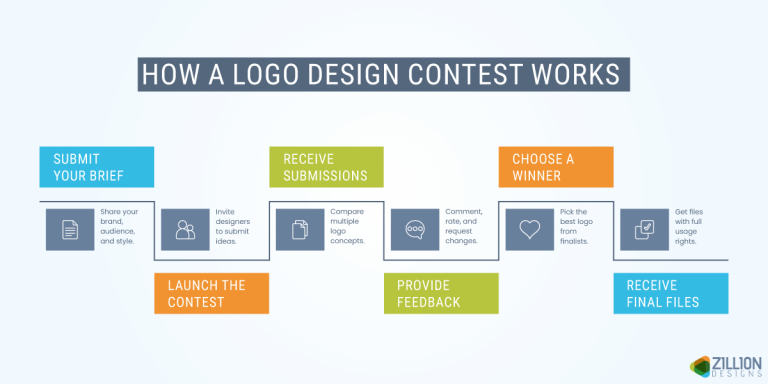
Design Contest Process in ZillionDesigns
Step 1: Start a Contest with a Creative Brief
Clients provide details about objectives (promotion, branding, retail packaging, events), target audience, size specifications, quantity, budget, and timeline.
Step 2: Review, Compare, and Guide the Direction
Clients review submitted concepts or draft designs, compare creative approaches, and provide structured feedback. Designers refine layouts, typography, imagery, and messaging.
Step 3: Download, Refine & Prepare for Production
Once finalized, print-ready files are delivered in the correct formats (CMYK, 300 DPI, bleed included). Final refinements or additional file variations can also be requested.
Print Marketing Pricing: What You Pay For
Print pricing varies based on scope, complexity, strategy involvement, and production needs.
Pricing: Typical Ranges and Drivers
Freelancers: ~$150–$3,000 per project
Contest Platforms: Low hundreds to low thousands
Agencies: $5,000–$50,000+
What Raises the Cost?
Larger formats (catalogs, annual reports, packaging systems)
More concepts and revision rounds
Faster turnaround times
Custom illustrations or photography
Advanced finishes (foil, embossing, specialty coatings)
Broader file suites and usage rights
Multi-market or localization requirements
1. Freelancers
Client to Designer Collaboration
Best for single-piece designs or limited campaigns. Lower overhead but may require more client management.
Design Agencies
Client and Agency Collaboration
Ideal for integrated print marketing strategies, packaging systems, and high-visibility brand materials.
Contest Platforms (Including ZillionDesigns)
Contest-Based Collaboration with Multiple Designers
Offer competitive pricing with multiple creative options. Businesses gain flexibility, diverse ideas, and scalable engagement models depending on their needs.
Print Design Pricing at ZillionDesigns
ZillionDesigns provides structured packages depending on project complexity:
Entry-Level / Starter Packages
Best for single materials such as business cards, flyers, posters, or basic brochures. Budget-friendly and suitable for startups or small campaigns.
Standard Marketing Packages
Ideal for multi-piece collateral like brochure sets, company profiles, event kits, or product packaging concepts. Includes more revisions and expanded file formats.
Enterprise Print Solutions
Designed for large-scale campaigns, retail packaging systems, annual reports, multi-location brand rollouts, and integrated print marketing strategies. Includes strategic guidance, scalability planning, and production-ready systems.
Service Type
Typical Price Range
Best For
What You Get
Notes / Considerations
Freelancers
$150 – $3,000 per project
Small businesses, one-off materials
Single materials like business cards, flyers, brochures; basic revisions
Cost depends on designer experience and scope. Ideal for smaller campaigns
Contest Platforms (e.g., ZillionDesigns)
$300 – $5,000 per project
Multiple creative options, mid-sized campaigns
Multiple concepts from different designers, revisions, final print-ready files
Offers variety, competitive pricing, and selection flexibility
1-on-1 Designer Collaboration
$500 – $10,000 per project
Brand-specific or ongoing print needs
Personalized design, multiple revisions, brand alignment
Great for consistent materials across campaigns or product lines
Design Agencies / Enterprise Solutions
$5,000 – $50,000+
Large-scale branding, multi-location campaigns, packaging systems
Strategy, research, integrated campaign design, print-ready materials, scalable systems
Best for corporate clients, high visibility campaigns, and long-term brand management
Specialty / Premium Finishes
$200 – $2,000+ per project
Embossing, foil stamping, die-cuts, UV coating
Enhances tactile appeal and brand perception
Adds to base design and printing costs. Recommended for premium campaigns
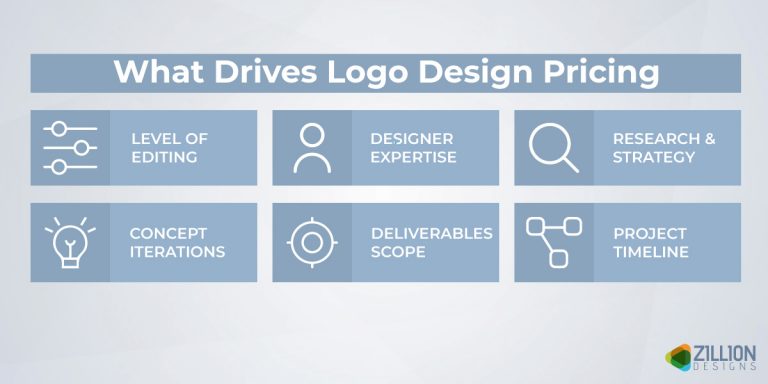
Factors that Affect Print Marketing Costs
Type & complexity of material (flyer vs catalog vs packaging)
Quantity printed (small batch vs bulk run)
Paper stock and material quality
Printing method and color requirements
Design complexity and revision rounds
Special finishes and enhancements
Turnaround time and distribution logistics
• Type and Complexity of Print Material
A simple flyer costs far less than a multi-page catalog, annual report, or custom product packaging. More pages, folds, die-cuts, and special bindings increase production expenses.
• Quantity and Volume
Printing larger quantities lowers the cost per unit due to economies of scale. Small batches are ideal for testing campaigns and bulk production works best for large-scale distribution.
• Paper Stock/Material Quality
Premium cardstock, textured finishes, recycled stock, or unique materials shape a positive brand perception but increase production costs.
• Printing Method and Color Usage
Digital printing is cost-effective for short runs and offset printing is more economical at higher volumes. Full-color (CMYK) costs more than black-and-white.
Custom Pantone matching, metallic inks, or full-bleed designs are also expensive.
• Design Depth/Creative Scope
Custom illustrations, photography direction, infographics, multiple concepts, and extended rounds of revision require more time and expertise, increasing the overall investment.
• Special Finishes and Enhancements
Foil stamping, embossing, spot UV coating, soft-touch lamination, and die-cut shapes create a high-end look but require specialized processes.
• Turnaround Time and Distribution
Rush printing increases costs due to quick production and shipping. Lgistics such as direct mail postage, event distribution, warehousing, and multi-locations add to the total budget.
Accessibility Considerations
High Color Contrast – Dark text on light backgrounds improves legibility.
Avoid Problematic Color Combinations – Steer clear of red/green or low-contrast pairings.
Clear, Readable Typefaces – Use simple fonts with distinguishable letterforms.
Appropriate Font Sizes – Avoid overly small text, especially for key information.
Proper Line Spacing – Prevent visual crowding and improve readability.
Structured Layouts – Use headings and hierarchy for easy scanning.
Inclusive Language and Multilingual Options – Adapt content for diverse audiences.
Clear Instructions and Essential Information Visibility
1. Color Contrast and Readability
Color Contrast Checking
High contrast between text and background such as dark text on a light background improves readability.
Designers should avoid problematic color combinations like red and green or blue and purple, which can be difficult for people with color vision deficiencies.
Using contrast-checking tools and maintaining a consistent hierarchy help ensure that content remains easy to scan and understand.
Color contrast tools
Coolors: Contrast-Checker
WCAG Color Contrast Checker
Vispero: Colour Contrast Analyser
Colourcontrast.cc
Color Palette Generator by ZillionDesigns
2. Font Choices
Font Types and Families
Sans-serif fonts are commonly preferred for body text but any well-designed serif font can also work well. Proper font sizing, adequate line spacing and paragraphs prevent visual crowding.
Font Directories for Choosing Fonts
Fontshare
Type Foundry
FontBase
Google Fonts
Adobe Fonts
3. Inclusive Design Practices
Avoid overly small print, especially for disclaimers or essential instructions. Provide clear headings, structured layouts, and concise language to reduce cognitive strain.
Global vs Local Print Design
Language Adaptation
Measurement and Currency Adjustments
Cultural Symbolism Awareness
Color Sensitivity Across Cultures
Imagery Considerations
Maintain Core Brand Identity
1. Localization in Print
Measurement systems (metric vs imperial), date formats, and currency symbols must reflect local standards. Proper localization increases trust and improves customer engagement.
2. Cultural Considerations
Cultural context heavily influences print effectiveness. Symbols, gestures, and imagery may carry different meanings across cultures. Color associations also vary.
3. Adaptation
Strong brands maintain a consistent core identity logo, typography, and foundational visual elements while adapting layouts, messaging, and imagery for regional audiences.
Case Studies
SSC Doctors
Business card contest for SSC Doctors
Problem: Previous cards looked generic and failed to reflect their modern clinic environment.
Process: Launched a business card design contest on ZillionDesigns, receiving multiple design directions, from minimalist medical aesthetics to bold, patient-friendly concepts.
Outcome: Brand recall improved 40% and appointment inquiries rose by 22%.
Eureka Connexion
Bifold Brochure for Eurake Connexion
Problem: Existing materials lacked visual hierarchy and failed to showcase property features.
Process: Received multiple layout concepts focused on photography placement, typography, and luxury presentation.
Outcome: Property listing engagement increased 55%, viewing requests grew by 30%.
Kore IT
Problem: Struggled with low applications and minimal awareness.
Process: Ran a $150 flyer design contest, receiving multiple vibrant, high-contrast concepts.
Outcome: Job applications submitted jumped by 65%.
Lotus Pops
Problem: Snack brand needed premium packaging and branded inserts.
Process: Through a packaging design contest, they chose multiple creative concepts with premium finishes.
Outcome: Customer satisfaction ratings rose 18% and repeat purchase rates climbed 25%.
Blue Zoo
Problem: Advisory firm required a professional company profile brochure. Previous materials lacked visual authority and structured messaging.
Process: Launched a contest and received profile to position as community leader.
Outcome: Investor meeting conversions increased 40%, proposal acceptance rates improved 35%.
Get Started with Print Design Services
When built on strong design principles, aligned with brand strategy, and executed with production precision, print design becomes more than marketing, it becomes a lasting representation of your brand in the real world.
FAQs
1. Is print marketing still effective in a digital-first world?
Yes, print marketing remains highly effective, even in a digital-first environment. Physical materials create tangible brand experiences that digital ads cannot replicate, increasing brand recall and perceived credibility. When strategically integrated with digital tools such as QR codes, personalized URLs, landing pages, and social media campaigns, print becomes a powerful driver of omnichannel engagement and measurable results.
2. What are the most important print materials for a small business?
Foundational print assets include business cards, brochures, flyers, and branded stationery such as letterheads and envelopes. Depending on the industry, additional materials like product packaging, signage, event banners, and direct mail campaigns can significantly increase visibility and customer acquisition.
3. How much does professional print design cost?
Professional print design costs vary based on project scope, creative complexity, and production requirements. Contest platforms like ZillionDesigns provide competitive pricing with multiple creative options. Full-service agencies require higher investment but offer comprehensive strategy, research, and integrated brand systems. Ultimately, cost should align with the visibility, scale, and impact of your campaign.
4. How do I make sure that my print materials match my website and social media branding?
Use the same typography, color systems (including Pantone for print and digital equivalents for web), logo placement rules, and messaging tone across all platforms. A structured brand guideline document maintains alignment between print, website, and social media.
5. What technical requirements should I follow before sending a design to print?
Always design in CMYK color mode and maintain a minimum resolution of 300 DPI for images. Include proper bleed (typically 3mm or 0.125 inches) and safe margin settings to prevent trimming issues. Export files as print-ready PDFs and request a physical or digital proof before mass printing.
The post Print Materials for Branding and Marketing: Design, Pricing, and Strategy appeared first on ZD Blog.